How a Ticket Bot Works During High-Demand Online Ticket Sales
Ticket bots mimic human users but operate on an entirely different scale. Here’s how they beat the queue every time:
-
Monitoring tools track when tickets are released.
-
Automated scripts flood the website with thousands of requests.
-
Proxy servers disguise each request as a different user or IP.
-
CAPTCHA solvers bypass human verification checks.
-
Checkout bots complete payments faster than any person could.
In short, bots can do in seconds what would take a human several minutes. Ticket bots are designed to generate rapid responses, operate at high speed, and submit requests in a highly efficient way. They attempt to read page states, follow predefined categories, and choose the correct option automatically, which makes detection harder without behaviour analysis.
Advanced ticket bots attempt to mimic real browser behaviour, including automated login actions and scripted form submissions. These bots generate large volumes of requests that are logged by the ticketing system, often appearing legitimate at first glance. Queue-Fair analyses traffic patterns, request timing, and behavioural signals to identify automation and block bots before they reach the ticket checkout. Even worse, some bots use machine learning to adjust their behaviour and avoid detection — making anti-bot protection systems a necessity for ticket sellers.
Why Ticket Bots Are So Hard to Stop on Modern Ticketing Websites
Modern ticket bot software is highly sophisticated. This flood of automated activity reduces the quality of human responses and makes systems less efficient under pressure. Developers constantly evolve their scripts to bypass filters, using techniques like:
-
Rotating proxies to avoid IP bans.
-
Distributed attacks from multiple geographic locations.
-
Browser emulation that mimics human actions.
-
Captcha solving services powered by real people or AI.
That’s why many ticketing sites struggle to stay online during high-demand events. Bots generate extreme load spikes that crash servers — preventing real customers from buying tickets. Bot activity generates misleading statistics and noisy traffic logs, making it harder to respond accurately during live events. Without clear visibility, teams struggle to tell real users apart from automation. Queue-Fair filters traffic upstream, allowing platforms to respond decisively instead of reacting after half the tickets have already been taken.
This is where Queue-Fair’s virtual waiting room makes a measurable difference.
How Queue-Fair Stops Ticket Bots and Protects Fair Online Ticket Access
Queue-Fair’s virtual waiting room acts as a secure gateway between your website and the public during high-traffic events. Instead of allowing every request through, Queue-Fair manages traffic, filters bots, and ensures fair access. Many ticketing platforms run a dedicated discord platform to coordinate launches, updates, and live communication. A well-managed discord community allows users to ask questions, report issues, and receive support during busy ticket sales. When demand spikes, users often submit support tickets or request help directly, so reducing bot traffic supports teams offer support more efficiently and avoid generating more tickets than the system can handle.
Many ticketing teams run a dedicated discord server alongside their main platform to keep users informed during busy launches. A well-moderated discord community supports users ask questions, share updates, and receive support without overwhelming the core system. When traffic spikes, users often raise support tickets, so reducing bot activity allows teams to offer support more effectively and respond faster across community channels. These spaces are also used to manage support tickets, share custom messages, and guide users through the ticketing process, allowing support teams to work more efficiently and provide clearer responses during peak demand.
A well-organised discord community linked to the main discord server reduces confusion, improves communication, and keeps users informed while tickets are being released.
Here’s How Queue-Fair Works Against Ticket Bots
-
Bot filtering: Detects and blocks automated traffic before it reaches your website.
-
First-come-first-served access: Genuine users are queued fairly and served in order.
-
Server protection: Prevents overload and downtime caused by mass bot requests.
-
Scalability: Handles millions of simultaneous visitors with stability and fairness.
-
Seamless integration: Works with any ticketing system or online queue.
With Queue-Fair in place, ticket bots never reach your purchase path. Real people get real access — and your servers stay safe.
The Impact of Ticket Bots on Ticketing Websites and Real Customers
Ticket bots affect everyone — not just fans.
For Customers
For Ticket Sellers
-
Crashed servers due to bot surges.
-
Lost revenue from fake or incomplete purchases.
-
Brand damage from frustrated buyers.
For Events
When bots dominate ticket sales, real tickets are lost, support demand rises, and the overall service becomes harder to run effectively during major events. That’s why leading entertainment brands, sports teams, and venues are turning to virtual queue systems like Queue-Fair to protect launch-day sales and keep bots out. When bots overwhelm a ticketing system, they don’t just block real users from buying tickets — they also create more tickets for internal teams to handle. Failed checkouts, duplicate purchases, and blocked users all generate support tickets, putting pressure on customer support teams. By filtering automated traffic early, Queue-Fair reduces errors, lowers support demand, and prevents teams from dealing with more tickets caused by bot abuse. When users miss out, they often leave a public comment, share feedback by email, or post reactions that remain visible for a long year, shaping perception long after the event ends.
Legal and Industry Action Against Ticket Bots Across Global Ticket Markets
Governments are stepping in. In the U.S., the Better Online Ticket Sales (BOTS) Act makes it illegal to use software that circumvents ticket limits or security systems. Similar laws exist in the UK, EU, and Australia.
But laws alone aren’t enough. Enforcement is difficult, and new bot networks appear every day. The most effective defence remains technological protection — particularly real-time solutions like Queue-Fair that can identify and block ticket bots during live events. Some platforms also publish a transcript of important updates so users can review information after announcements are made.
The Role of Virtual Waiting Rooms in Fair Ticket Sales
Modern queue platforms also allow custom messages to be shown while users wait, helping explain delays and set expectations. With custom permissions, organisers can control access for different users, events, or ticket types. These features improve communication, reduce confusion, and lower the volume of support tickets generated during high-pressure sales. A virtual waiting room is more than a queue — it’s an anti-bot barrier. By holding users in an external queue, Queue-Fair can log actions, analyse behaviour patterns, detect automation, and only admit verified humans into the ticketing system. Queue platforms allow organisers to display custom messages while users wait, helping explain delays and guide next steps. With configurable custom permissions, different users or events can be handled separately, which improves clarity and reduces confusion. Clear messaging supports teams respond to questions faster and lowers the number of support tickets created during high-pressure ticket sales.
Clear communication gives users an answer to what is happening, rather than leaving them guessing. Queue messaging is written to explain each step, include a simple example, and help users understand when they can enter the purchase flow and when the queue will end. These messages are often adjusted by language, audience, and event categories, allowing platforms to write instructions that suit the majority of users while remaining clear for international audiences. Queue pages use clear panels, visible buttons, and clearly marked open and closed states so users know what to expect at each stage. By creating clear queue messages, platforms guide users through a complete purchase flow without confusion or repeated questions.
This ensures:
-
Fairness: Every customer gets a genuine, ordered place in line.
-
Transparency: Buyers can see their queue position in real time.
-
Reliability: Servers stay responsive even during peak traffic.
-
Compliance: Platforms meet legal obligations for fair ticket access.
For ticketing platforms, this means smoother operations and happier customers. For fans, it means a fair shot at tickets — no scripts, no hacks, no bots.
The Future of Anti-Bot Ticketing and Fair Online Sales
As bots evolve, so must protection. The future of fair ticket sales will combine multiple defences:
-
AI-based bot detection to identify abnormal purchase patterns.
-
Blockchain ticketing for verifiable ownership and resale control.
-
Virtual queue management for demand regulation.
-
CAPTCHA alternatives that challenge bots without frustrating users.
Modern platforms combine free access with premium features to balance fairness, scalability, and control during high-demand launches. This approach is becoming more important as demand keeps increasing across major ticket launches. Some platforms experiment with free tools, while others rely on premium features to manage traffic at scale. In high-demand ticket sales, advanced features and a reliable queue system make the difference between fair access and a broken server. At the centre of these innovations, Queue-Fair continues to lead with scalable, transparent, and effective anti-bot software for ticketing, retail, and digital launches. Some platforms rely on free tools, while others invest in premium features designed to protect high-value events. At scale, ticketing requires reliable infrastructure, resilient servers, and a queue system that works consistently. Queue-Fair provides a hosted solution that can be deployed quickly and scaled across multiple events without complex changes. Some events also introduce paid access layers or early entry options, allowing organisers to control demand while keeping the main sale fair and transparent.
Frequently Asked Questions About Ticket Bots and Ticket Sales
1. What is a ticket bot?
A ticket bot is an automated program designed to buy event tickets faster than humans, often for resale at higher prices.
2. Are ticket bots illegal?
In many regions, yes. Laws like the U.S. BOTS Act and UK regulations make it illegal to use ticket bots for profit.
3. How can websites stop ticket bots?
Using technology such as Queue-Fair’s virtual waiting room to filter traffic, manage load, and verify real users before checkout.
4. Why are ticket bots a problem?
They cause unfair ticket distribution, inflate resale prices, and overload servers, frustrating genuine fans.
5. What is the best way to protect ticket sales online?
Implement a virtual waiting room or queue system to block bots, manage demand, and ensure fair, first-come-first-served access.
Conclusion: Fair Ticketing Starts with Beating the Ticket Bot Problem
The ticket bot problem isn’t going away — it’s evolving. As automated software becomes faster and more sophisticated, ticketing servers are pushed harder, the buying process becomes less reliable, and genuine users lose access to tickets they are trying to purchase fairly. This leads to frustration, rising demand for support, and an increase in unresolved support tickets as teams struggle to explain what went wrong. Without proper controls in place, automated traffic continues to undermine trust in online ticket sales.
Queue-Fair’s virtual waiting room offers proven, scalable protection against this problem by controlling how traffic reaches the ticketing server. Instead of allowing bots to rush the checkout, Queue-Fair manages the entire access process, ensuring real users can move forward in a fair order. This reduces confusion, limits the need for repeated messages, and allows teams to provide clearer responses through official channels such as email or a dedicated discord server. With the right features, platforms can operate more efficiently even during extreme demand.
If you want to deliver a smooth, secure, and bot-free buying experience, controlling access is essential. A reliable queue system gives every customer a genuine chance to buy tickets, keeps the ticketing process transparent, and reduces the pressure placed on support teams during major launches. For organisers, this means fewer complaints, clearer communication, and a more complete sales flow. For fans, it means fair access, clear answers, and confidence that bots are no longer deciding who gets through.



 12/11/2025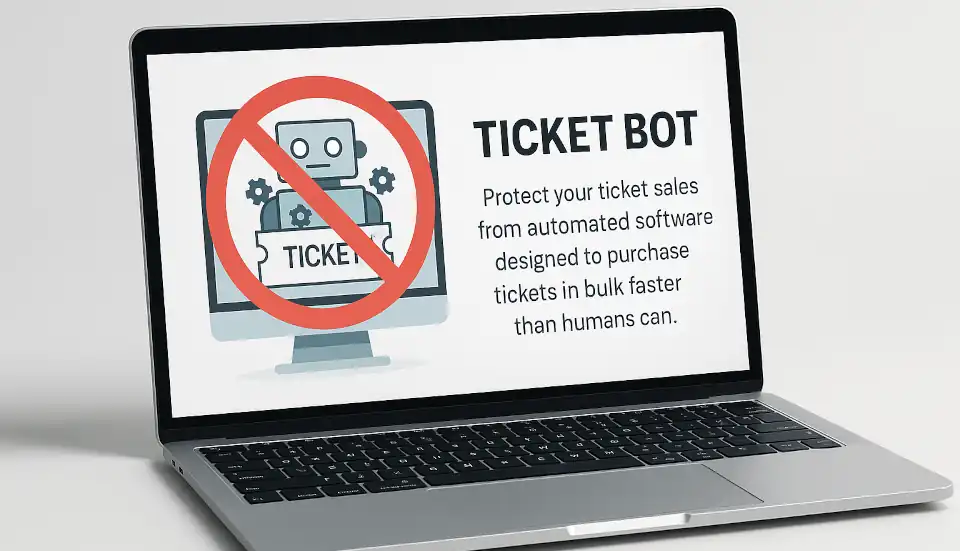
 Beating Sneaker Bots, Ticket Bots, Scalpers and Touts
 Virtual waiting rooms and online queuing for ticketing websites
 Understanding Ticket Bots
 How do Sneaker Bots work?
 Understanding Scalping Bots: A Beginner's Guide to Navigating the Market